
PharmaLectures.com

Courses › Pharma sales skills and selling across cultures › Selling to Chinese buyers when you are from Pakistan, Bangladesh and Vietnam: how they decide, what loses the deal

Selling to Chinese buyers when you are from Pakistan, Bangladesh and Vietnam: how they decide, what loses the deal

Your reps stop chasing polite Chinese maybes and close the deals that are real.

  • 8 audio modulesthree lengths each
  • 1 h 20 min to 6 h 40 minbriefing to expanded
  • Workbook, transcript, certificateand a recorded quiz per module
  • Pakistan, Bangladesh and Vietnam saleswho it is written for

Why this training matters

A Chinese buyer tells your Export Sales Representative the company will study the proposal. The rep reports a likely order and spends weeks on follow-up emails nobody answers, because the no was given in the meeting room. The forecast is wrong and a competitor takes the supply contract.

What changes after this course

Your team hears the real answer in the room, finds the person who signs off, and paces each step to the buyer's group decision. You hold a certificate for every learner and a training record for each person, backed by the recorded questionnaire after every module.

Watch the pitch

3:43 on how an audio course is bought, listened to and recorded. Full screen, one click.

Watch the pitch3:43, full screen, one click

What this course gives your people

Your next first meeting with a Chinese distributor starts differently. You know who to greet first, how to hand over a Mingpian, and which topics to leave out of the greeting. The senior buyer sees respect in the first minute, so the conversation reaches your product instead of recovering from a bad opening.

The polite maybe stops costing you weeks. When the buyer says the company will study your proposal, you check the pause, the change of subject and the missing next date, and you know whether to wait or move on. You also find the person with a junior title who quietly shapes the decision, and you give the group time to agree.

Questions about quality reach you long before the contract does. A new supplier from Pakistan, Bangladesh or Vietnam is likely to be asked about documentation and about registration with the National Medical Products Administration, the Chinese drug regulator. Your pitch answers those first, and names any trade arrangement your country has with China where it applies.

After the meeting, your follow-up email gets a reply. It is short, respects rank, and sends the documents requested without pushing for a date. When you disagree about delivery, you say so in a way that lets the other side keep face, and the contract reaches signature on the group's schedule instead of going silent.

Who needs this training

  • Sales Manager, Pakistan

    On a video call with a new Chinese distributor, you quote a price and get silence. You can tell whether it means no, think it over, or waiting for a senior colleague, and you stop cutting your price to fill it.

  • Business Development Executive, Bangladesh

    You ask for a signature on a supply agreement and the buyer withdraws. Now you see why the request came too early, and how to let the buyer's group reach agreement first.

  • Export Sales Representative, Vietnam

    Your emails after a promising trade show meeting go unanswered. You get a follow-up format that earns a reply, and a way to send documents without sounding desperate.

  • Account Manager, Pharma Asia

    A key Chinese client stops returning calls after a dispute over delivery dates. You repair the relationship by stating your disagreement in a way that lets the client keep face.

Roles: Owner, CEO and board, Business development and export sales, Marketing and communications

Businesses: every kind of pharma company

Countries: Pakistan, Bangladesh and Vietnam

Selling into: Asia Pacific

Courses are in English. Other languages on request.

After this course your people can

  1. Name the person who shapes a Chinese purchasing decision even when the business card shows a junior title.
  2. Tell a polite refusal from a real delay by the pause, the change of subject and the missing next date.
  3. Present a Mingpian, meaning business card, and handle introductions in the right order of rank.
  4. Write a follow-up email that respects hierarchy and gives the buyer an easy reason to reply.
  5. Answer questions about quality and documentation from a new overseas supplier before the buyer asks them.
  6. Pace a supply agreement to the buyer's group consensus instead of pushing for an early signature.
  7. Check a translated contract for slips that could turn an agreement into a dispute.

What the company gets

  • Sales cycles shorten because representatives stop writing to buyers who already declined politely in the room.
  • Your export team shows one respectful front to Chinese buyers, from the first handshake to the signed contract.
  • Fewer supply contracts go to competitors who read the room better than your people do.
  • You hold a certificate and a training record for each learner, so you can show who is ready for Chinese negotiations.

The evidence: questionnaire, training record, certificate

EU GMP Chapter 2, section 2.11, and 21 CFR 211.25 both ask for training that is documented and shown to work. This is what each learner leaves behind.

A recorded questionnaire per module

Every one of the 8 modules ends with a multiple-choice questionnaire. The result is recorded per person with a timestamp, whichever of the three lengths the person listened to.

A per-person training record

The export lists each learner, each module, the result and the date, which is the training record EU GMP Chapter 2 and 21 CFR 211.25 ask you to keep and the first thing an inspector asks for.

A certificate per learner

Name, company, course, hours, the guideline version taught and the date. It documents in-company training; it is not a professional qualification or an accreditation.

Your pass mark, your rule

There is no fixed pass mark. Your quality or human-resources manager decides what counts as passed and when a module is retaken, exactly as your training procedure says.

Delivered within 72 hours of payment, with the workbook, the full transcript and a source for every fact in the audio.

How long it takes, by who is listening

Nobody spends a day in a classroom. Every module exists in three lengths; a person takes the length their role needs, and every length ends with the same recorded questionnaire, so the training record is complete either way.

Briefing1 h 20 min10 min a module, for executives, sales and anyone who must know the rules, not run them
Standard3 h 20 min25 min a module, for regulatory, quality and business-development staff
Expanded6 h 40 min50 min a module, for technical staff who run the procedure day to day
Who takes this courseLengthTotal time
Business development and export salesBriefing1 h 20 min
Owner, CEO and boardBriefing1 h 20 min
Marketing and communicationsBriefing1 h 20 min

Course outline: 8 modules

8 modules. Under each title are the three things the listener can do afterwards; the audio itself runs 10 to 50 minutes depending on the length chosen.

  1. 1Read the unwritten rules that decide how Chinese buyers judge you

    • Why a Chinese buyer protects Mianzi, meaning face, before price, and how to give it without flattery.
    • How to start building Guanxi, meaning trusted relationships, months before you table a price.
    • The seating and speaking order that shows who outranks whom before anyone says a job title.
  2. 2Open your first meeting so the senior buyer takes you seriously

    • What to find out about the buyer's leadership before you book the flight.
    • How to present your Mingpian, meaning business card, with two hands so the senior buyer sees respect.
    • The opening remarks that make the senior buyer put down the phone and listen.
  3. 3Hear the real answer behind a polite maybe and adjust your terms

    • How to hear a no inside a maybe, from the pause, the change of subject and the promise to study it.
    • What to do when the room goes quiet, so you stop filling the silence with a discount.
    • The tests a procurement team puts to your limits, and the reply that holds your position.
  4. 4Find the people who actually decide inside a Chinese pharmaceutical firm

    • How to spot the person who shapes the decision even when the title on the card is junior.
    • The pace of a group decision, so you stop reading slowness as rejection.
    • Why asking for a quick signature costs you the consensus the senior buyer was still building.
  5. 5Keep trust intact when you and the buyer disagree

    • How to keep in touch for weeks after the first meeting without sounding like you are chasing.
    • When a shared meal is business and when it is only dinner, and why your seat matters.
    • What to say when you disagree so the buyer keeps their dignity and you keep your point.
  6. 6Spot and stop the missteps that end deals already in progress

    • Why a rushed contract draft undoes the trust you spent weeks earning.
    • How to tell a polite refusal from a real delay, so you stop writing to a closed door.
    • The translation slips that turn a clear agreement into a dispute, and the check that catches them.
  7. 7Pitch your product around what Chinese buyers check first

    • How to raise any trade arrangement your country has with China where it helps your bid.
    • The quality and documentation questions a new overseas supplier gets, answered before they are asked.
    • What to put first in your pitch so the buyer sees your quality matches the standard they hold.
  8. 8Follow up and close the contract without costing anyone face

    • The follow-up email structure that gets a reply from a Chinese buyer who has gone quiet.
    • How to send the documents they asked for without looking desperate or pushy.
    • The last confirming steps that get the contract signed on the date the group agreed.
The founders

One of us was inspected. The other one pays for the training.

Every claim below is sourced on the about page: the medicines register, the Lithuanian Pharmaceutical Union board list, the university directory.

Justina Krukonytė-Racz

Justina Krukonytė-Racz

Co-founder. Licensed pharmacist.

GDPResponsible PersonWarehouse & logistics

Licensed pharmacist. Responsible Person at Tamro (PHOENIX group), where she led the GDP set-up of the distribution centre.

The Responsible Person is the named person the regulator holds accountable for every pallet that leaves the building.

She writes the modules around the procedures a GDP inspection checks. Board member of Lithuanian Pharmaceutical Union.

Listed in the Lithuanian medicines register as Pharmacist.
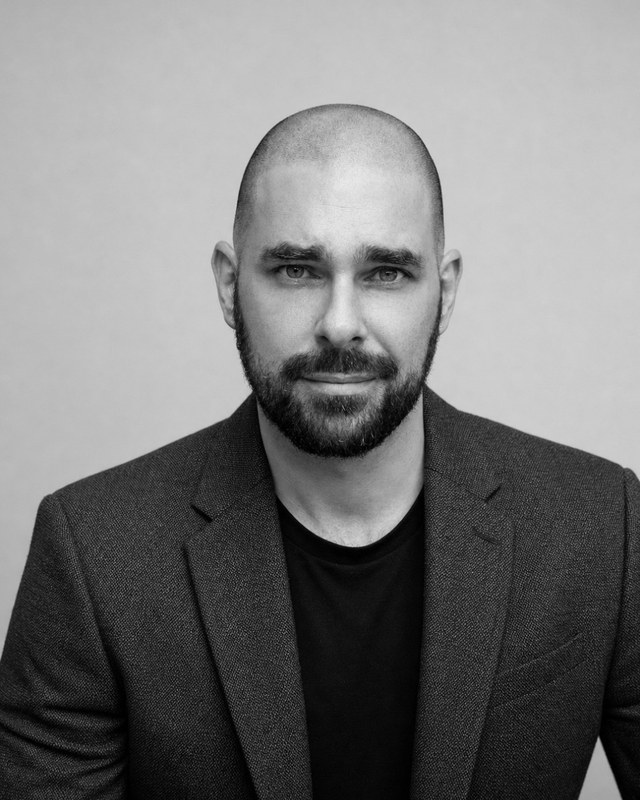
Prof. Ben Racz

Prof. Ben Racz

Co-founder. Builds the platform and is responsible for delivery, records and pricing.

Platform & deliveryQuantitative researchCarnegie Mellon

He was Professor of the Practice at the College of Engineering at Carnegie Mellon University, where he taught Advanced Quantitative Finance and Algorithmic Trading to MSc students.

He is the founder and Managing Director of Algorithmic Sciences, a scientific research and consulting firm. Earlier he co-founded a data-driven growth consultancy, a data-science based wholesale trading company and an information security firm.

More about Ben at benracz.com

Questions about this course

Is there a certificate?

Yes. Every learner who finishes the course receives a certificate in their own name, and every module ends with a recorded multiple-choice questionnaire, so the certificate sits on top of a per-person training record. The certificate documents in-company training; it is not a professional qualification or an accreditation, and your quality or human-resources manager sets the pass mark and decides when a module is retaken.

How long does the course take?

8 modules, each in three lengths: a 10-minute briefing, a 25-minute standard run and a 50-minute expanded walk-through. The whole course takes 1 h 20 min in the briefing length and 6 h 40 min in the expanded length. People take the length their role needs, and every length ends with the same recorded questionnaire, so the training record is complete either way.

Who should take this course?

It is written for Pakistan, Bangladesh and Vietnam sales. Owners, managers and sales staff hear the briefing length, regulatory, quality and business-development staff take the standard run, and the people who run the procedure every day get the expanded version. One licence covers one named person on this course for a year, so the same title can be rolled out across a whole team at once.

Is this training accepted as a GMP training record by an auditor?

EU GMP Chapter 2 and 21 CFR 211.25 require documented, effective training, and that is what the course produces: a recorded multiple-choice result per module and per person, a certificate per learner and a transcript of what was taught. No provider can promise acceptance by a specific inspector; the record is built to answer what inspectors ask for, and your quality manager decides the pass mark.

How is it delivered and how fast?

The course arrives as audio files with a companion workbook, a full transcript and the questionnaire per module, within 72 hours of your payment arriving. You host the files on your own system or share them as you like; there is no platform to log into and no learner management system to set up. The free sample module arrives on request, before any purchase.

What does it cost per learner?

The list price is 9 euros per module, per learner, per year, so this course is 72 euros for one person for twelve months. The price per learner falls as more people take the same course: 10 learners pay 10 percent less and the discount keeps growing to 50 percent at 1000 learners. Type a number on the price panel and the yearly total appears.

Get this course for your team

One licence is one person on this course for a year. All three lengths, the workbook, the certificate and the training record are included in every purchase. Pick how many people, add it to the cart, and you have an invoice in your inbox.

Free sample module

Hear one full module before you spend a cent. Send your company and the role you want trained, and a complete sample module comes back with its workbook and transcript.

Connect on WhatsApp

or email [email protected], or ask for a written quote for your team